
Kenya
Maasai Mara
Big skies, conservancy experiences and extraordinary year-round wildlife.
Know before you go
Welcome to Maasai Mara
Kenya's most famous wildlife landscape, and the northern continuation of the Serengeti ecosystem. Big cats are reliably visible here in a way that is true of few places, and the surrounding conservancies offer a quieter, lower-vehicle alternative to the national reserve itself.
Plan with confidence
Make Maasai Mara work for you
Highlights
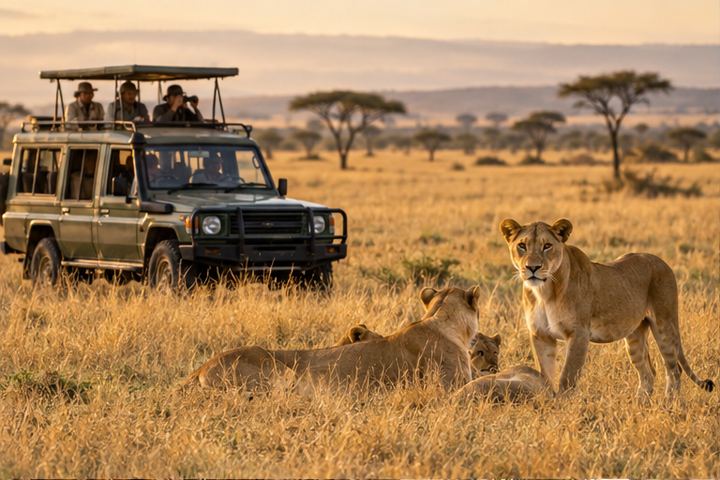
- Lion, leopard and cheetah at a density that makes multi-day sightings the norm rather than the hope
- The wildebeest migration crossing the Mara River, broadly July to October, though timing is weather-driven and never guaranteed
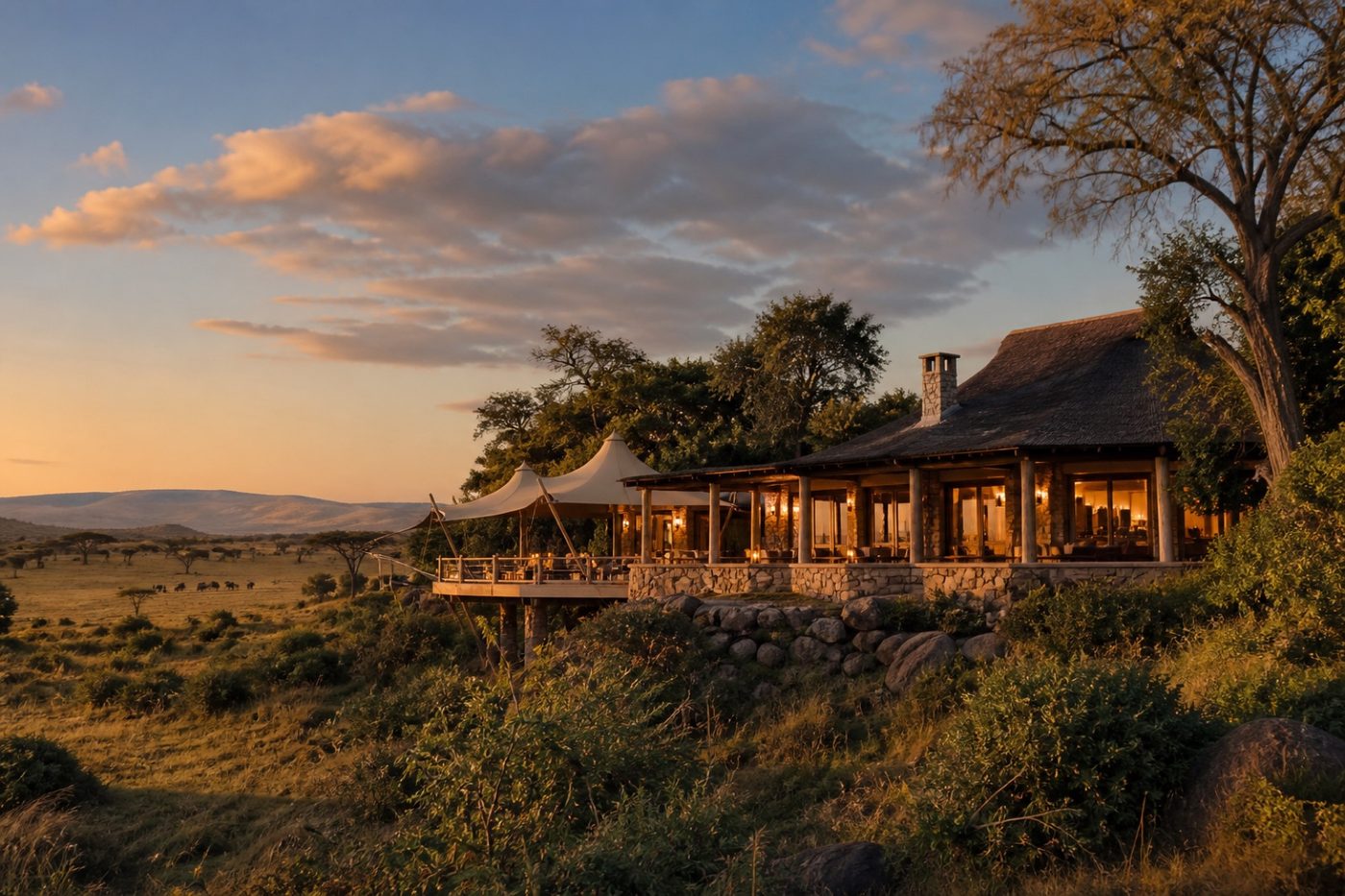
- Conservancies bordering the reserve, where vehicle numbers are capped and night drives and walking are permitted
- Hot-air balloon flights at dawn over the plains, landing to a bush breakfast
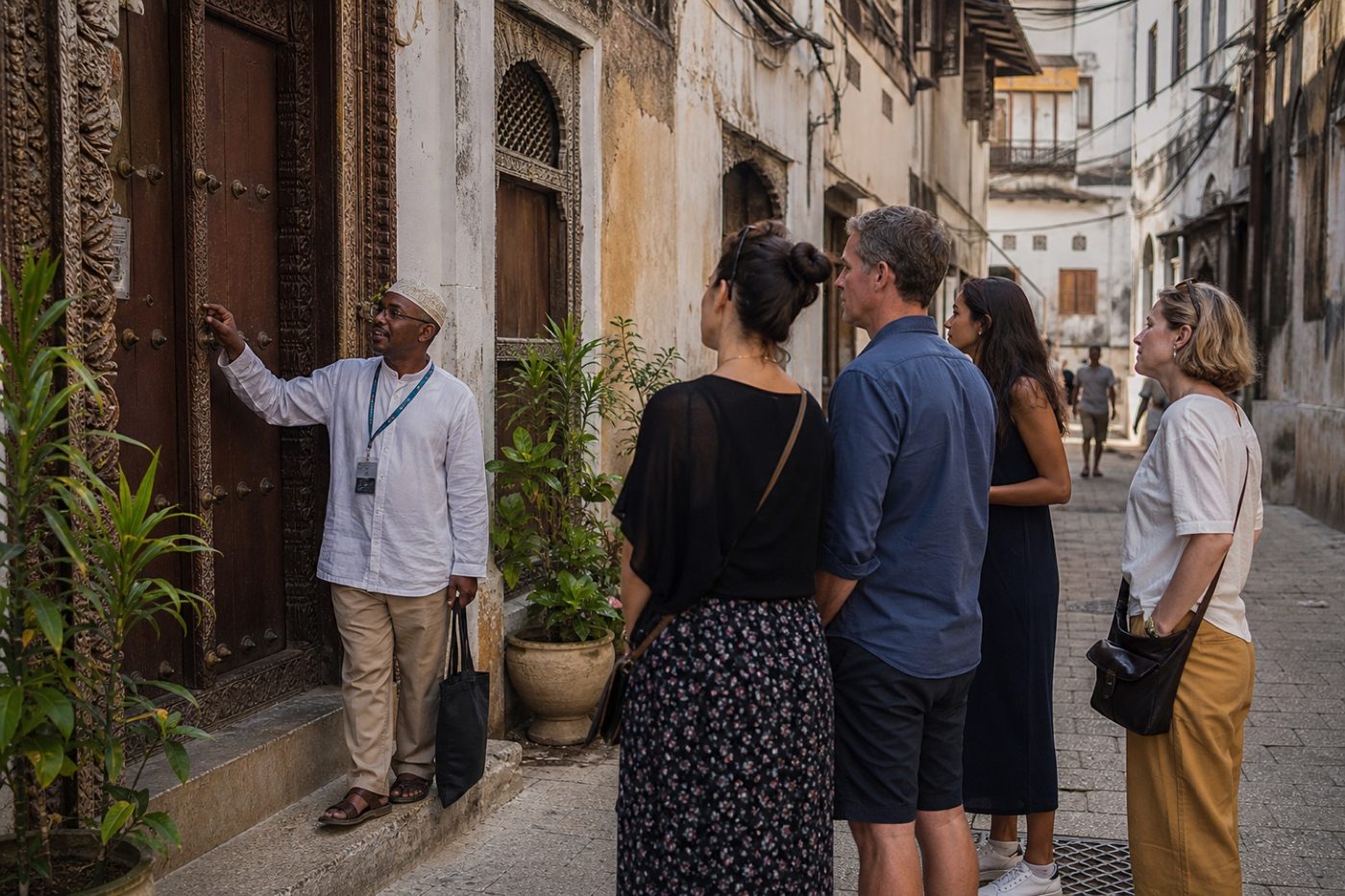
- Maasai cultural visits arranged through the conservancies, where the community has a direct stake
Getting around
- Light aircraft from Nairobi is the usual arrival, landing at one of several airstrips serving different parts of the reserve.
- The road from Nairobi takes most of a day and the final stretch is rough — worth it only if you want the Rift Valley journey itself.
- Once there, you are in your camp's 4x4 with a guide. Self-driving is possible in the reserve but rarely the best use of the trip.
- Match your airstrip to your camp before booking flights; the reserve is large and transfers between sectors take time.
Good to know
- Three to four nights is the practical minimum. Two leaves you with one real day of game viewing after transfers.
- The migration is a natural event on its own schedule. Plan the trip around the place, and treat a river crossing as a bonus.
- Mornings are cold in an open vehicle before sunrise. A fleece and something windproof are not optional.
- Conservancies cost more per night and deliver fewer vehicles at sightings — a real difference in peak season.
- Bring more camera storage and battery than you think, and a dust-proof bag for it.
Stay in the vehicle unless your guide says otherwise, keep quiet and seated at sightings, and follow camp instructions about moving around after dark — most camps are unfenced and escort you to your tent for good reason.
Before you book
Maasai Mara questions, answered
When does the migration cross the river?
Usually somewhere between July and October, but it follows rainfall and grazing, not a calendar. Nobody can promise a crossing on a given date.
Reserve or conservancy?
The reserve has the classic river crossings and lower nightly rates. The conservancies cap vehicle numbers and allow night drives and walks. Many itineraries do both.
Is there wildlife outside migration season?
Yes — resident predators, elephant, buffalo, giraffe and plains game are there all year. Green season also brings newborn animals and far fewer visitors.
Curated for your journey
Experience Maasai Mara
Maasai Mara, Kenya
4.0/5 Very Good
3 Reviews (sample)
Start Time: 05:30
4H
from
$446.89
$400.66
East Africa Experience
Maasai Mara Big Five Safari
Maasai Mara, Kenya
3 Days
5.0/5 · 3 reviews (sample) 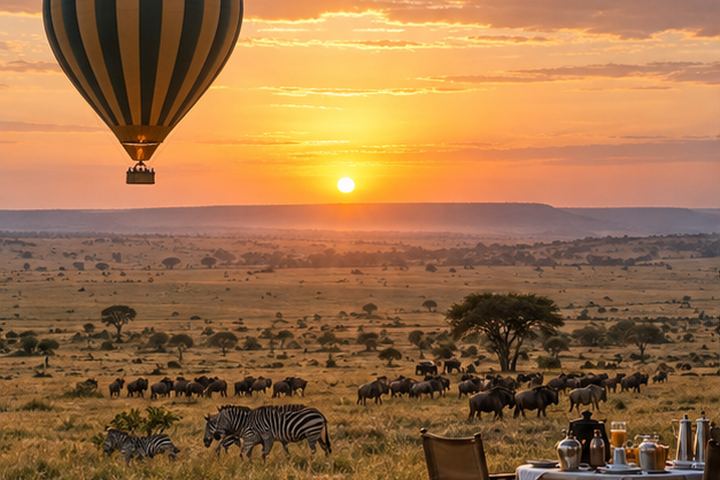 Featured
Orientation
Find Maasai Mara
Use the map to understand where you’ll be, then add transport to connect every stop.
Open larger mapMake it yours
Create your trip Ready for Maasai Mara?
Start here, then combine every stay, transfer and experience around your dates.